
Feb 28th, 2024 Advisory Services, Corporate Social Responsibility, Employee Engagement, Future of Work, Social Impact, Volunteer Consulting
What is Corporate Social Responsibility? Can Skills-Based Volunteering Fulfill Your CSR Goals?
The traditional ideas of what forms a corporate social responsibility (CSR) program are changing, and skills-based volunteering (SBV) programs are at the forefront of the new face of CSR. Taproot can help you design, implement, and manage effective corporate community engagement and skilled volunteering programs as part of evolving your CSR efforts and building employee engagement. Within most corporate social...
Read More
Feb 9th, 2024 All, Our Team and Board
Taproot Foundation Board Announces Upcoming Leadership Transition
2024 will mark Lindsay Gruber's 6th year as CEO and 20th year as a “Root” at the Taproot Foundation, and she has shared that it will also be her last as she plans to step down in June as Taproot's President & CEO. “The organization and its mission are in great hands, and it's time for me personally to take...
Read More
Feb 1st, 2024 Diversity, Equity, and Inclusion, Social Impact, Volunteer Consulting
Make a Difference in Black History Month
Since 1976, our country has celebrated Black History Month in February to recognize the contributions of Black Americans to our country's culture and history. It is an opportunity to honor the legacy, accomplishments, and societal impact of our fellow citizens. Taproot would like to highlight some of our nonprofit partners who are working in our Black communities to ensure a...
Read More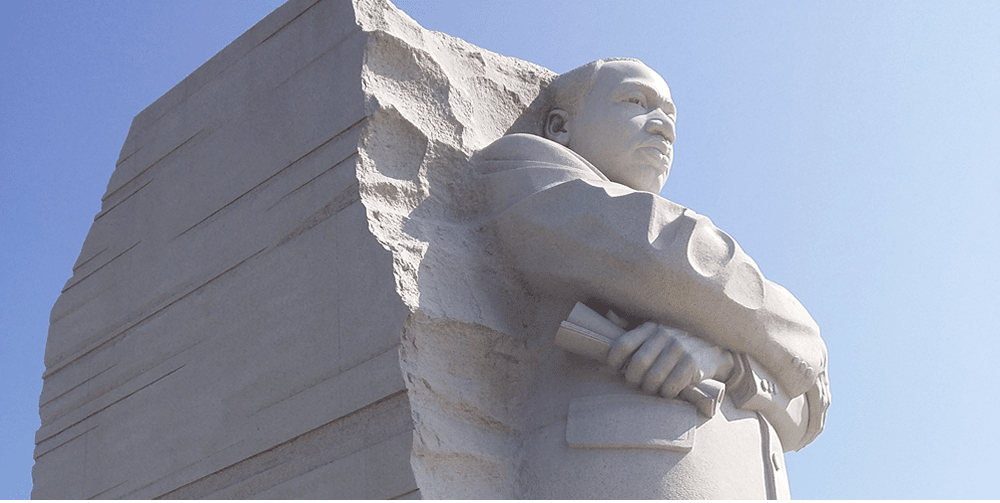
Jan 10th, 2024 Social Impact, Volunteer Consulting
How Martin Luther King Jr. Inspired the Pro Bono Movement
Battling for civil rights through pro bono service On Monday, January 15, America celebrates Martin Luther King Jr. Day, a National Day of Service, to encourage people to volunteer in their communities and advance social equity across the country. Volunteering your skills and experience is one way to serve your communities on this holiday. At Taproot, honoring Dr. King’s legacy...
Read More
Nov 6th, 2023 Social Impact, Taproot Plus, Volunteer Consulting
Get Involved in Taproot’s Winter Volunteerism Drive
By Kimberly Swartz, Senior Director of Community Engagement, Taproot Foundation Donate your professional experience to a great cause through a free Taproot Plus account Why is now the right time to get involved? Nonprofits consistently step up for our communities. Now, it’s our turn to step up for them. Since 2020, nonprofits have been tasked with meeting rising community needs...
Read More
Oct 20th, 2023 Social Impact, Volunteer Consulting
5 Ways to Make a Difference During the Holiday Season
By Kimberly Swartz, Senior Director of Community Engagement, Taproot Foundation The holiday season is a critical period for nonprofits as they fundraise for resources to fuel their mission the following year. Unfortunately, due to inflation, the ongoing pandemic, and other factors, 2023 has been a tougher year than most, as social good organizations globally report historically low levels of volunteerism...
Read More
Sep 24th, 2023 Volunteer Consulting
Your Guide to Including Skilled Volunteering Experience on Your Resume and LinkedIn Profile
Updating your resume: a familiar (if not well-loved) task for all working professionals. Updating your resume can be a daunting task on its own—but trying to add your skilled volunteering, or pro bono consulting, experience presents a new challenge. We can help with that! We created this guide after asking volunteers for advice on why, where, and how to best...
Read More
Sep 21st, 2023 Nonprofit Management
6 Elements to a Sustainable Nonprofit Social Media Strategy
Social media is an integral part of how nonprofits raise awareness, drive donations, and engage with their supporters. However, a lack of a cohesive strategy often leads to sporadic engagement and efforts that fail to support their long-term goals. So how can you get the most out of your nonprofit’s social media efforts? Here are six key elements to building...
Read More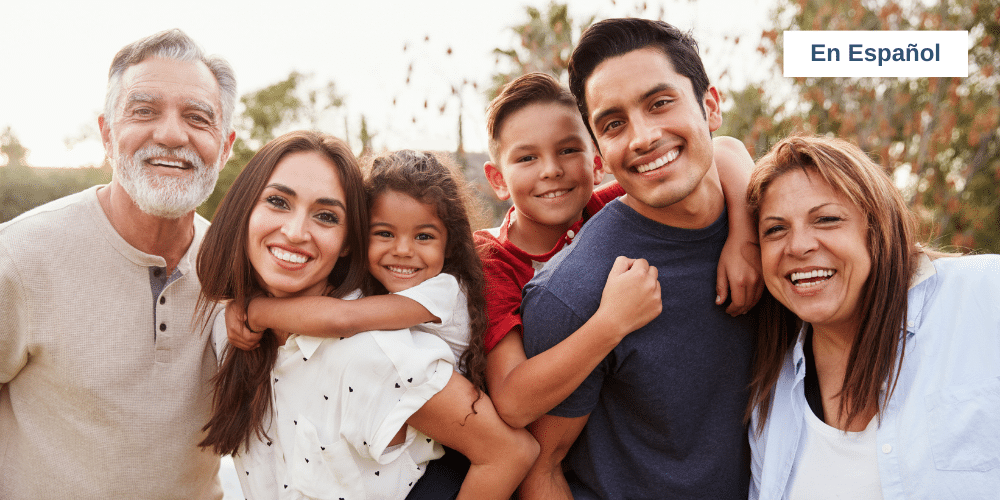
Sep 15th, 2023 Diversity, Equity, and Inclusion, Volunteer Consulting
¿Cómo puede celebrar el Mes de la Herencia Hispana? ¡Ofrézcase como voluntario!
Click to read in English Estados Unidos celebra el Mes de la Herencia Hispana todos los años del 15 de septiembre al 15 de octubre para conmemorar las diversas culturas, contribuciones e historias de las comunidades hispana y latina de nuestro país. También es una oportunidad para que aquí, en Taproot, destaquemos a nuestros socios sin fines de lucro que...
Read More
Sep 15th, 2023 Diversity, Equity, and Inclusion, Volunteer Consulting
How Can You Celebrate Hispanic Heritage Month? Volunteer!
Haga clic para leer en Español America observes Hispanic Heritage Month from September 15 to October 15 every year to celebrate the diverse cultures, contributions, and histories of our country’s Hispanic and Latino communities. It’s also a chance for us at Taproot to highlight our nonprofit partners working with these communities in the US and around the world. Looking for...
Read More